
 Popular
 Games
Games


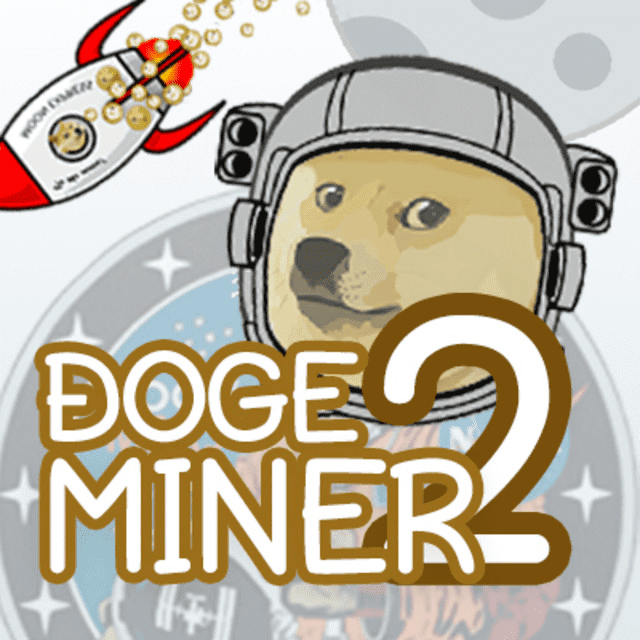



































Dogeminer Unblocked
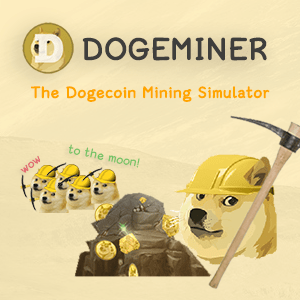
Dogeminer is a dogecoin mining simulator where you accumulate wealth one click at a time, then multiply it by hiring helpers and purchasing upgrades. You begin by clicking rocks to mine coins, but the game's real appeal emerges once you start investing those coins into workers and equipment that mine automatically. Each purchase feeds into the next, creating an escalating cycle where your earning power grows exponentially as you stack improvements together.
The thrill of Dogeminer comes from watching passive income explode. Early on, you'll click manually to earn your first helpers. Once they start mining, you can step back and let them work while you focus on purchasing smarter upgrades. That transition from clicking to watching your robots earn for you is the game's core satisfaction. Later stages unlock new locations—you can mine on the moon and beyond—where the stakes and opportunities grow larger.
Strategy emerges naturally in Dogeminer because every purchase is a trade-off. Should you buy the worker that costs 100 coins, or save up for the upgrade that doubles all worker output? Early purchases tend to pay off quickly, but later decisions require weighing long-term gains against immediate needs. This decision-making keeps the game engaging across all playstyles, whether you return every few hours or leave it running overnight.
How to Play Dogeminer
Start by clicking the rock to mine dogecoins. Once you accumulate enough coins, hire your first helper from the shop on the right. Helpers automatically mine coins while you play. Between hiring sessions, purchase upgrades that boost helper efficiency or unlock new miners. As your passive income grows, your options expand—upgrade entire categories of workers or unlock spaceship parts needed to reach the moon. The progression chain keeps pulling you forward: earn, spend, unlock, repeat.
Controls
Desktop: Click the rock to mine. Use your mouse to navigate the shop menu, hire helpers, and purchase upgrades.
Dogeminer unblocked in your browser
Dogeminer runs unblocked in any modern browser — just load the page and play. No download or setup is needed, which means it works even on school and office networks that block gaming sites.
Similar Games on Pizza Edition
- Cookie Clicker pioneered the clicker formula with a bakery theme and deep prestige mechanics.
- Clicker Heroes adds dungeon-crawling progression layered beneath constant clicking and automation.
- Idle Lumber Inc uses the same incremental model but centers on managing a lumber business.
Who Created Dogeminer?
Dogeminer was created by rkn, a developer known for building engaging idle games. The original Dogeminer released in 2014 and became a beloved classic in the incremental gaming community.
Can I Play Dogeminer on Mobile and Desktop?
Yes, Dogeminer plays in any modern web browser on desktop, tablet, and mobile devices. The clicking and shop interface work smoothly across all platforms, though desktop offers the most comfortable experience for extended play sessions.