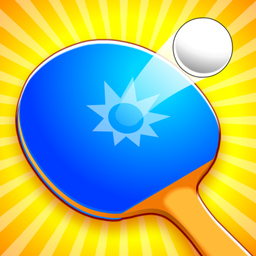
Tabletennis
Tabletennis makes a strong first impression because the rules are readable, but the challenge keeps stretching. Tabletennis is built around short contests where positioning and timing matter more than long rulebooks. Whether you are attacking, defending, or reacting to a bounce, the game stays readable enough that you can understand what went wrong and jump right back in. That makes it approachable for casual play, but there is still a real edge to mastering spacing, angles, and when to commit.
The main loop is simple to recognize, but the pressure comes from how quickly small choices stack up. The gameplay loop usually alternates between setting up an advantage and trying to finish it before the other side resets the play. Small touches matter. A mistimed challenge, a loose pass, or a rushed shot can flip control immediately, so the tension comes from fast possession changes and simple mechanics that create surprisingly competitive moments. Strong rounds feel earned because you can trace the result back to a few decisions rather than random chaos.
The clearest way to explain Tabletennis is to focus on what you do moment to moment and what the game asks for as it ramps up. Mechanically, Tabletennis is about movement, timing, and reading the physics of the ball or object in play. Most matches swing on one or two touches: a clean interception, a controlled shot, or a good defensive angle. If the game has stamina, power shots, or special moves, treat them as situational tools rather than something to spam.
The easiest way to play better is to notice which mistake keeps ending good attempts and fix that first. The most reliable strategy is to stay balanced instead of diving at every chance. Defend the direct threat first, then look for the easy opening. In Tabletennis, forcing a low-percentage play often gives away the better position. Waiting half a second longer can be the difference between a hopeful attempt and a clean finish. It also helps to learn how the ball or movement physics behave after rebounds, because many points come from reading the second touch earlier than your opponent.
Its best moments usually arrive without much warning: one sharp adjustment, one clean opening, and the stage feels under control again. A classic swing in Tabletennis happens when a scrappy exchange turns into one clean touch that sends the play completely the other way. Those momentum flips are why even short matches stay entertaining. You can be under pressure, survive one awkward bounce, and suddenly have a clear lane or open shot if you were patient enough to keep your shape.
A single example usually says more than a rules summary here. For example, a point can start with a messy challenge, bounce into open space, and then turn in your favor simply because you stayed goal side and waited for the cleaner touch. Tabletennis repeatedly creates those moments where patience looks modest for a second and then suddenly looks smart.
Replay value comes from noticing details that were invisible on the first few tries. That replay value matters because short matches need personality. In Tabletennis, one game might be controlled and tactical while the next gets scrappy and unpredictable, yet both still make sense within the same physics and rules. That variety helps the page stay useful for quick sessions.
That compact structure gives Tabletennis a very replayable feel. Whether you play for a quick break or stay long enough to chase a cleaner run, Tabletennis has the kind of straightforward structure that makes improvement noticeable from one attempt to the next.
How to play Tabletennis?
Use the movement and action controls shown in the game to contest the ball, create space, and finish chances before the other side resets. A good approach in Tabletennis is to stay between the immediate threat and your goal, then attack once you have a clean opening. Read rebounds, avoid overcommitting, and remember that one patient touch is often stronger than three rushed ones.
Controls
Desktop: Move the mouse to line up each shot and return the ball.
Similar games on Pizza Edition

- Soccer Random is a chaotic soccer game where rebounds and odd movement create funny, tense finishes.
- Basketball Stars is a faster head-to-head sports game built around timing, spacing, and smart challenges.
- Penalty Shooters 2 is a simpler football showdown focused on reading shots and picking your moments.
Who created Tabletennis?
Tabletennis was created by Famobi.
Can I play Tabletennis on mobile devices and desktop?

Tabletennis runs in your browser on desktop. Mobile support depends on the embedded version and how well its controls translate to touch devices, so performance and usability can vary between phones, tablets, and computers.

Popular
Games